Low back pain
Dry needling may be one part of your osteopathic treatment for long-standing low back pain.
Read about back pain
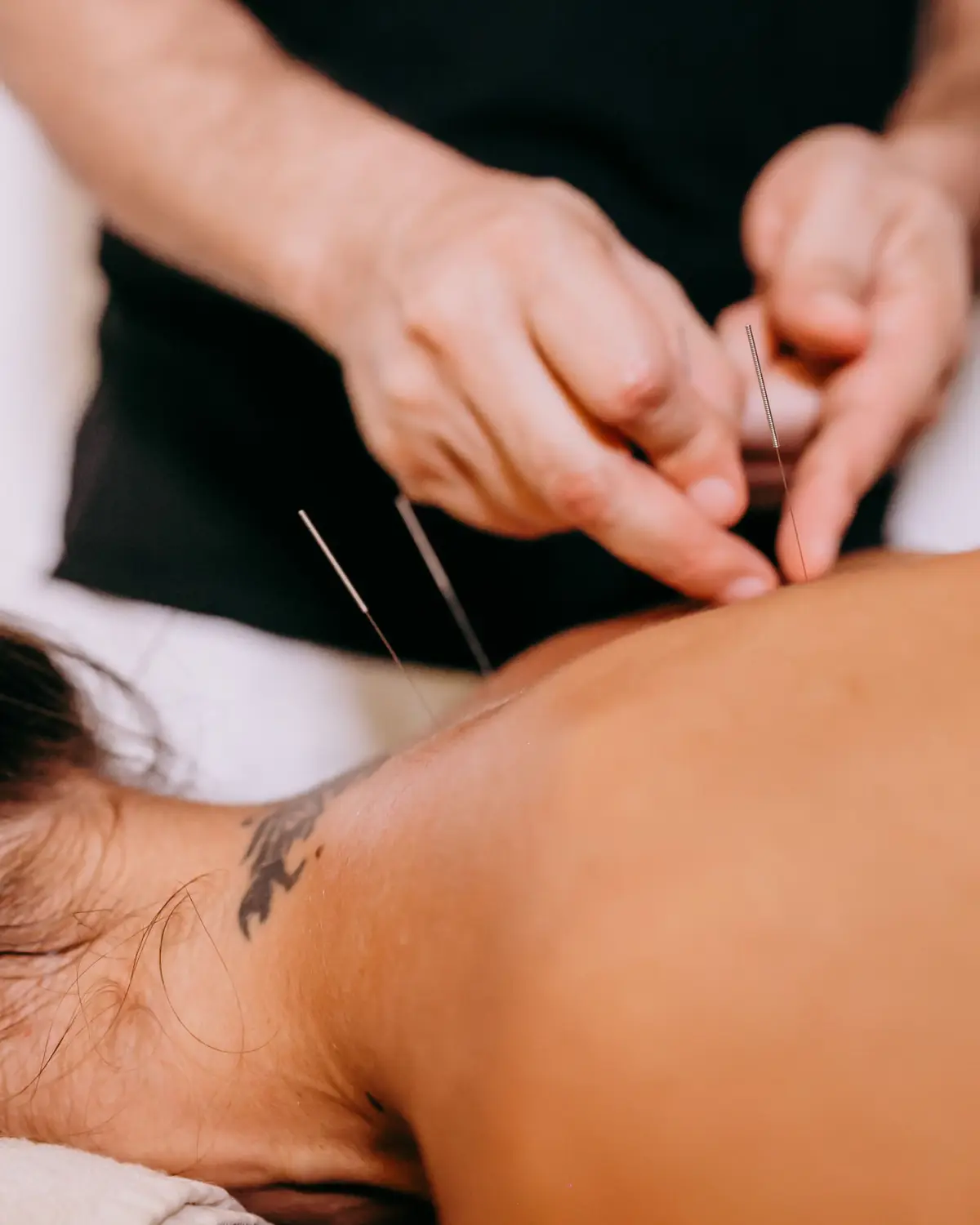
Fine, sterile, single-use needles placed into specific muscles, as part of a treatment planned by a registered osteopath at 51 Mill Lane in West Hampstead.
What we help with
Dry needling is one tool within osteopathic care, used alongside hands-on treatment and exercise. Any relief it gives is usually short-term, so we use it as part of a wider plan.
Dry needling may be one part of your osteopathic treatment for long-standing low back pain.
Read about back painOne part of osteopathic treatment for uncomplicated neck pain and headaches that come from the neck.
Read about neck painOne part of osteopathic treatment for knee pain from osteoarthritis, alongside the treatment and exercise your GP recommends.
Read about knee painBefore you book. Tell us if you take blood-thinning medicines, have a bleeding disorder, are pregnant, have diabetes or a weakened immune system, or have a metal allergy: dry needling may not be suitable, and your osteopath will suggest another approach. If your pain follows a fall or accident, or comes with numbness, weakness or a fever, see your GP or call 111 first.
Not sure dry needling is right for you? Call 020 4620 6458 and we will tell you honestly.
Your appointment
Where it hurts, how it started, your general health and medicines, and how you feel about needles.
We watch how you move and examine the area to find the muscles involved. Dry needling is based on anatomy, not on traditional acupuncture points.
We explain what dry needling involves, how it may feel and the possible side effects, and only go ahead if you agree. You can ask us to stop at any time.
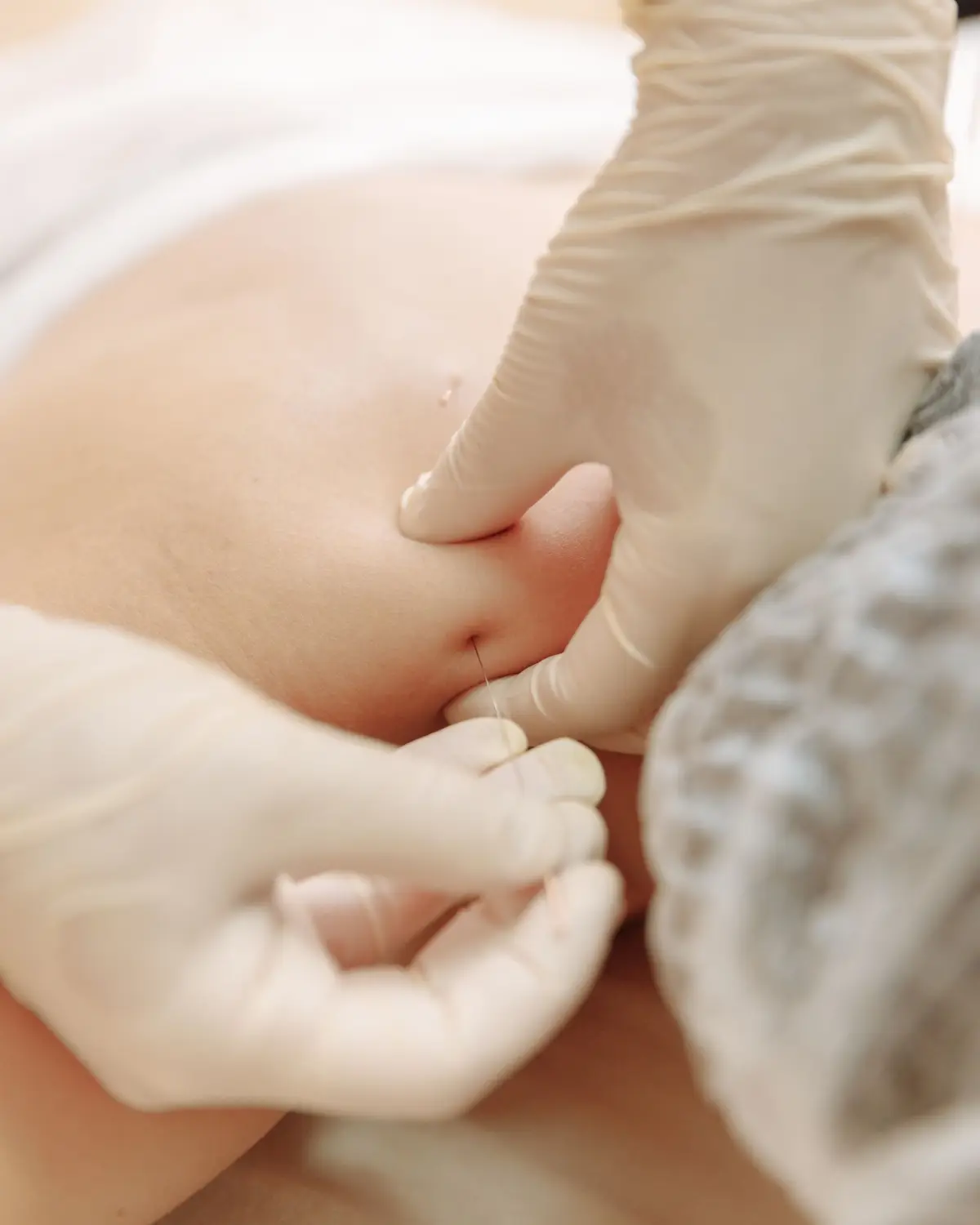
Sterile, single-use needles are placed into the muscle for a few seconds or a few minutes. You may feel a brief twitch or a dull ache.
Needling is usually one part of the appointment, with hands-on treatment and exercises to do at home.
Prices
New to OsteoRise? You can also book the first appointment, which leaves time for your full history and health checks, with dry needling as part of it if it suits you.
Claiming on private health insurance? Check with your insurer first. How insurance works.
Who you will see
Osteopath, personal trainer and founder
Master's degree from the British College of Osteopathic Medicine. Danilo uses dry needling alongside hands-on treatment and exercise.
Book with Danilo
Osteopath
Wen Tai brings together modern osteopathy and Eastern contemplative practice, and also offers dry needling and massage.
Book with Wen TaiDry needling here is always given by an osteopath registered with the General Osteopathic Council, after an examination.
Needles are one tool among several. We combine them with hands-on treatment and exercises, and tell you honestly if they are not for you.
Sterile, single-use needles every time, disposed of safely straight after use.
51 Mill Lane, NW6 1NB, a 10 minute walk from West Hampstead station (Thameslink, Overground and Jubilee line).
Get directionsQuestions
Both use fine needles, but the thinking is different. Dry needling is based on Western anatomy: the needles go into specific muscles found during your examination. Traditional acupuncture uses points from Chinese medicine.
Most people feel a small prick as the needle goes in, then a dull ache or a brief twitch in the muscle. It can be uncomfortable for a moment. Tell us at any time and we will stop.
Serious problems are rare when needling is done by a trained practitioner. Common after-effects are mild soreness for a day or two and a small bruise, and some people feel tired or light-headed for a short while. Before we start, we ask about your health and medicines and explain the possible side effects for the area being treated.
Tell us if you take blood-thinning medicines, have a bleeding disorder, are pregnant, have diabetes or a weakened immune system, or have a metal allergy. Dry needling may not be suitable, and we will suggest another approach. If you would rather not have needles at all, that is fine too.
It depends on the problem and how you respond. Any relief from dry needling is usually short-term, so we use it as part of a wider plan and talk it through with you at each visit.
Loose, comfortable clothes, such as shorts and a T-shirt, so we can reach the area being treated.
For back, neck and joint pain and minor sports injuries, first visit £80.
More about osteopathySports, deep tissue, lymphatic, pregnancy and aromatherapy massage, from £55.
More about massageFor long-standing tendon pain, £20 added to an osteopathy appointment.
More about shockwave therapyBook online at any time. Would you like to talk it through first? Call 020 4620 6458 or email info@osteorise.com.