Heel
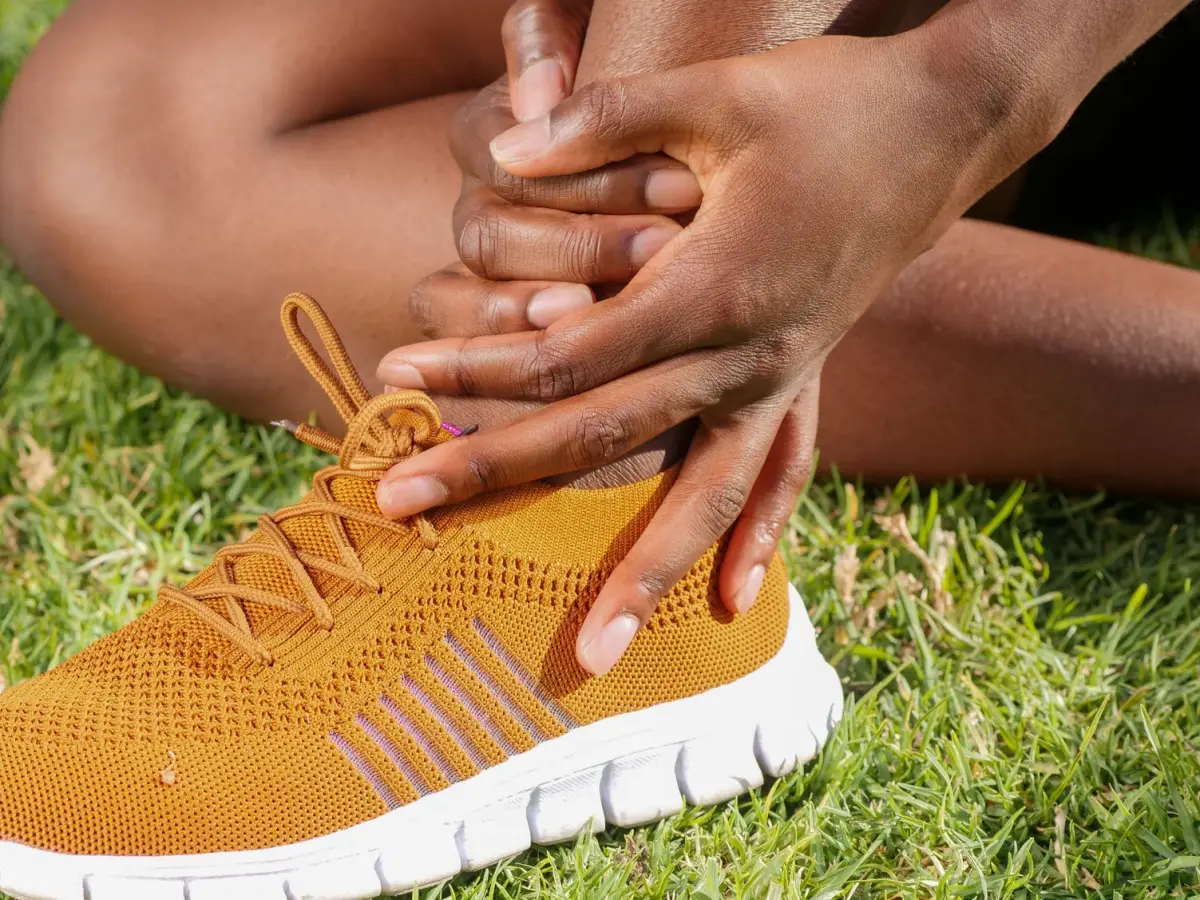
Pain under the heel from the plantar fascia, the thick band that runs along the sole of your foot.

A handheld applicator sends quick pulses of pressure into a sore tendon. At OsteoRise it is given by an osteopath, who checks first that it suits you, and it always goes alongside an exercise plan.
What we use it for
Shockwave is an option when tendon pain has lasted for months and has not settled with rest, exercise and hands-on treatment. These are the areas we use it on most often.
Pain under the heel from the plantar fascia, the thick band that runs along the sole of your foot.
Pain and stiffness in the tendon at the back of your ankle, often after running or jumping.
Read about sports injuriesTennis elbow: pain on the outside of the elbow when you grip, lift or turn your wrist.
Pain over the side of the hip, often felt most when you lie on that side or climb stairs.
Pain in the tendon just below the kneecap, often linked to running, jumping or squatting.
Read about knee painStart with a first appointment. We examine you and tell you honestly whether shockwave is worth trying.
Read about osteopathyAn honest word on the evidence. Research on shockwave for these problems is mixed, so we never offer it on its own: it goes alongside exercises for the tendon, and we explain what is known before you decide. If we do not think it is worth trying for you, we will say so.
Not sure shockwave is right for you? Call 020 4620 6458 and we will talk it through.
Your session
We go through your health history and examine the area, to make sure the pain is coming from a tendon and that shockwave is suitable for you. If you are new to us, this happens at your first osteopathy appointment.
We find the most tender part of the tendon and explain what you will feel before we start.
The applicator is held against your skin and gives a series of quick pulses for a few minutes. It is noisy, like a fast tapping, and it can feel uncomfortable. We start gently and you can ask us to turn it down or stop at any time.
Shockwave goes alongside exercises for the tendon that you do at home between sessions. We show you each one before you leave.
The area may feel sore or look a little red for a day or two. We tell you how much to do with that tendon until your next session.
Prices
Shockwave is usually given as a short course of sessions about a week apart. After examining you, your osteopath tells you what they suggest, and you decide.
Claiming on health insurance? Check with your insurer before you book whether your policy covers shockwave therapy. How insurance works.
Who you will see
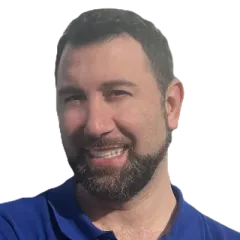
Osteopath, personal trainer and founder
Registered osteopath and personal trainer, with a Master's degree from the British College of Osteopathic Medicine and a background in massage. Danilo also leads rehab at OsteoRise.
Book with Danilo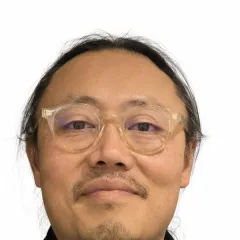
Osteopath
Wen Tai brings together modern osteopathy and Eastern contemplative practice, and also offers dry needling and massage.
Book with Wen TaiShockwave is given by an osteopath registered with the General Osteopathic Council, who checks first that it suits you.
It goes alongside exercises and hands-on treatment, never instead of them. Rehab 1:1 is there if you want guided help with the exercises.
More about rehabWe explain what is known about shockwave for your problem, and we will tell you if we do not think it is worth trying.
51 Mill Lane, NW6 1NB, a 10 minute walk from West Hampstead station (Thameslink, Overground and Jubilee line).
Get directionsQuestions
It can be uncomfortable while it is happening, especially over a tender spot. We start at a low setting and adjust it as we go, and you can ask us to stop at any time. Some people feel sore for a day or two afterwards.
The evidence is mixed. NICE, which reviews treatments for the NHS, has looked at shockwave for heel pain, tennis elbow, Achilles pain and outer hip pain, and found the evidence on how well it works inconsistent or limited. That is why we explain what is known before you decide, use it alongside exercise, and only suggest it when the pain has not settled with other treatment.
Shockwave is usually given as a short course, with sessions about a week apart. After examining you, your osteopath tells you what they suggest, and you decide whether to go ahead.
We do not use it if you are pregnant, take blood-thinning medicine or have a bleeding disorder, or have an infection, a tumour or broken skin in the area, and we do not use it on children whose bones are still growing. We also wait if you have had a steroid injection in the area recently. We check all of this before we start.
Yes. When you book a first appointment or a follow-up, you can choose shockwave therapy as an add-on, and your osteopath checks that it suits you before using it.
Check with your insurer before you book. Some policies cover shockwave therapy and some do not, and most insurers ask for an authorisation code. Our insurance page explains how it works.
Hands-on treatment for back, neck and joint pain, first appointment £80.
More about osteopathyAn hour of guided exercise with an osteopath, from £85.
More about rehabFine needles used within your osteopathic care, from £75.
More about dry needlingNew to OsteoRise? Start with a first appointment and add shockwave if it suits you. Prefer to talk first? Call 020 4620 6458 or email info@osteorise.com.